
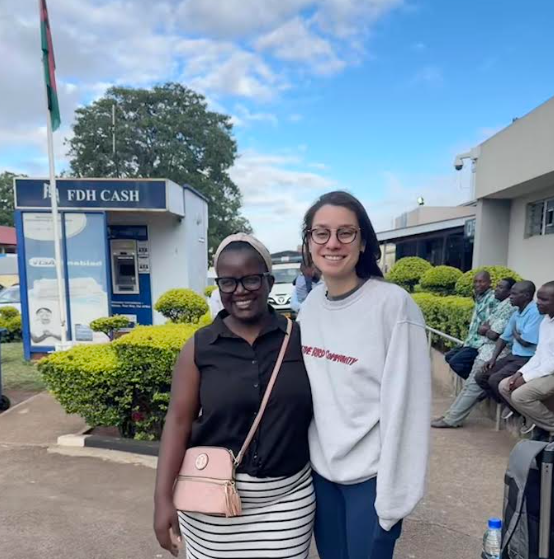
Sylvie Kalikoff '19 shares insights from her time as a Rice360 Global Health Fellow and how her hands-on experiences as a fellow have shaped her since graduating from Rice.
What led you to get involved with Rice360 and to become a Rice360 Global Health Fellow?
I was interested in the intersection of product development and global health, specifically in commercializing affordable, durable products for low-resource settings. Rice360 is unique in its focus on making each global health project a reality through sustainable commercial pathways. That's what was most exciting to me about Rice360.
You currently work at Boston Scientific. Since your fellowship, what has led you to pursue health technology product development?
I started at Boston Scientific in the research and development department, in a technical role similar to my fellowship, working on product development. I moved into product marketing, where I feel I can have a bigger-picture impact on strategic decision-making around innovation, what products we prioritize, and how our designs address the needs of physicians and patients. I am still very motivated by the goal of delivering practical, innovative, useful products suitable for the market, not just the next cool gadget. I'm enjoying the work I'm doing now. It feels like a better fit for me than a purely technical role.
How do you think you've used your overall background in global health, gained through the Global Health Fellowship (GHF)?
Creating accessible solutions for people globally has remained a real passion of mine. That has always been motivating and essential to me. The work I did at Rice360 gave me the context to understand how the hospital setting, environment, and patient population impact the solutions we develop. I gained an understanding of the resource limitations that must be addressed to create successful tools when designing for specific settings.
I did not have the opportunity to travel with Rice360 during my fellowship due to the pandemic. Still, we were closely connected to health care workers in Malawi, who were very knowledgeable and open about resource limitations in hospitals in the country. My fellowship experience made me realize that a medical device is not successful unless it takes into consideration the external and social factors that impact how and where it gets used. Having the language to discuss diverse environments and understand the context created a genuine passion and interest in developing useful health care solutions for low-resource settings. In my current job I have had the opportunity to work on a project expanding access to esophageal stents in East Africa, so the skills I gained remain more relevant than ever.
And have you been able to travel to Malawi since your Global Health Fellowship?
Yes, I've been to Malawi twice, and I've been to Tanzania once. I was able to see my friend Christina, who was also a fellow when I was. That's been such a highlight. Not only the trips and project work, but just reconnecting with Christina. We had been in touch but hadn't seen each other in years. I met her daughter and husband and stayed with her in Blantyre.
What was the project you worked on as a Global Health Fellow?
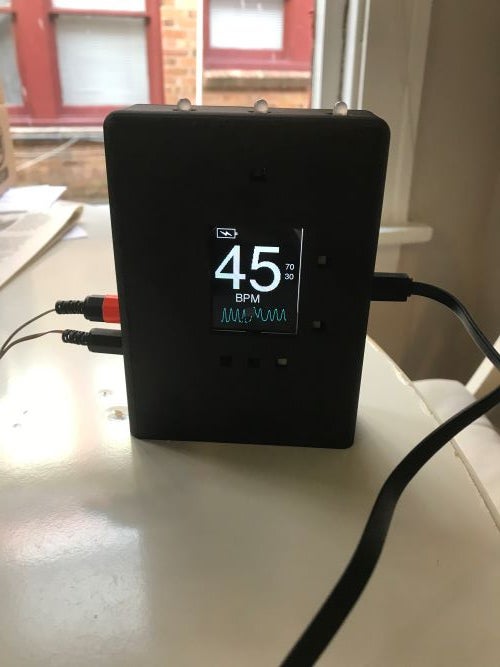
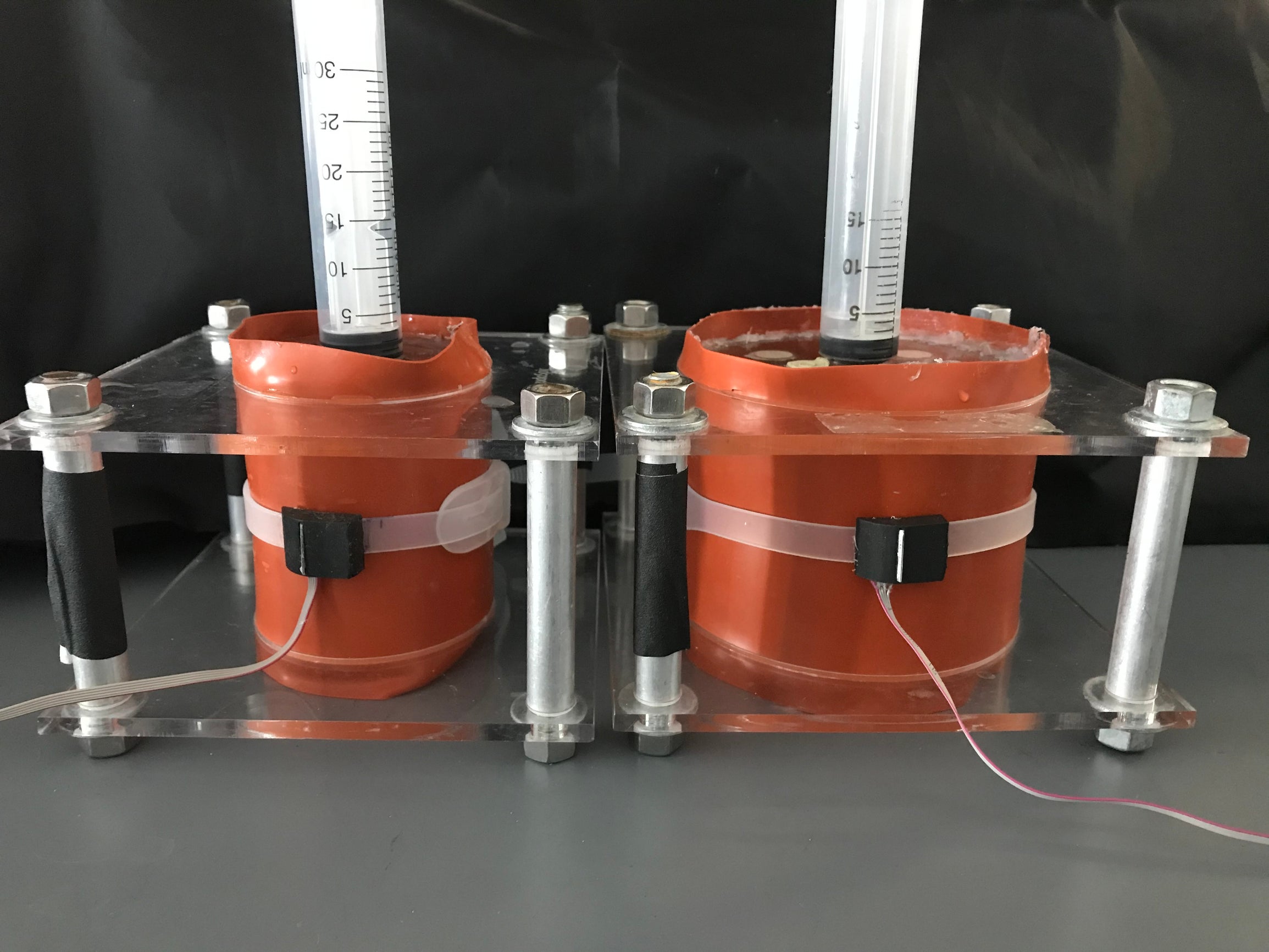
I was working on BreathAlert as a fellow, a device that seeks to provide reliable, accessible respiratory monitoring for premature infants The device empowers caregivers to detect, diagnose, and treat respiratory illnesses which often occur in small and sick newborns. It was an electromechanical sensor. There was an LED receptor and a fiber on the other side, and as the chest rose and fell, the fiber emitted more or less light depending on its distance from the sensor. It measured light proximity and strength.
What lessons do you take with you from Rice360?
Working at Rice360 helped me realize that you can stay optimistic and idealistic in your work. We often think we must make trade-offs in our work, but the goal is to be working on something that makes the world a better place. It was inspiring to be at a place where everyone was moved by that mission and wanted to make an impact. It is so important to me that my career is meaningful, and I learned this from my fellowship. Everyone who works at Rice360 is motivated to make a positive impact, which is wonderful and something I continue to value in the workplace.
What advice would you give to current students or recent graduates wanting to pursue a career in global health?
Resonates with me. I advise students to find the right balance between the technical and user-centered aspects in the roles they pursue. Personally, I have found great satisfaction in shifting from a technical focus to a more user-centered approach. I hope others continue to engage in both areas and discover their own balance. project management roles that might be in global health but that are not technical product development roles. This crossroads can be challenging for many Rice360 alums and resonates with me. I advise students to find the right balance between the technical and strategic aspects in the roles they pursue. Personally, I have found great satisfaction in shifting from a technical focus while maintaining a user-centered, data-driven approach. Prioritizing patient outcomes and working with others who are driven by a shared mission to help others has made my career fulfilling. I hope others continue to engage in both areas and discover their own balance.
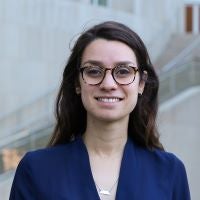
Sylvie Kalikoff graduated from Union College in 2016 with a degree in bioengineering. She got her Master's degree in 2019 at Rice University in the Global Medical Innovation Bioengineering program. She then worked as a Rice360 Global Health Fellow from 2019 to 2021, developing an affordable respiratory rate and apnea monitor for premature newborns to reduce the neonatal mortality rate in sub-Saharan Africa.