
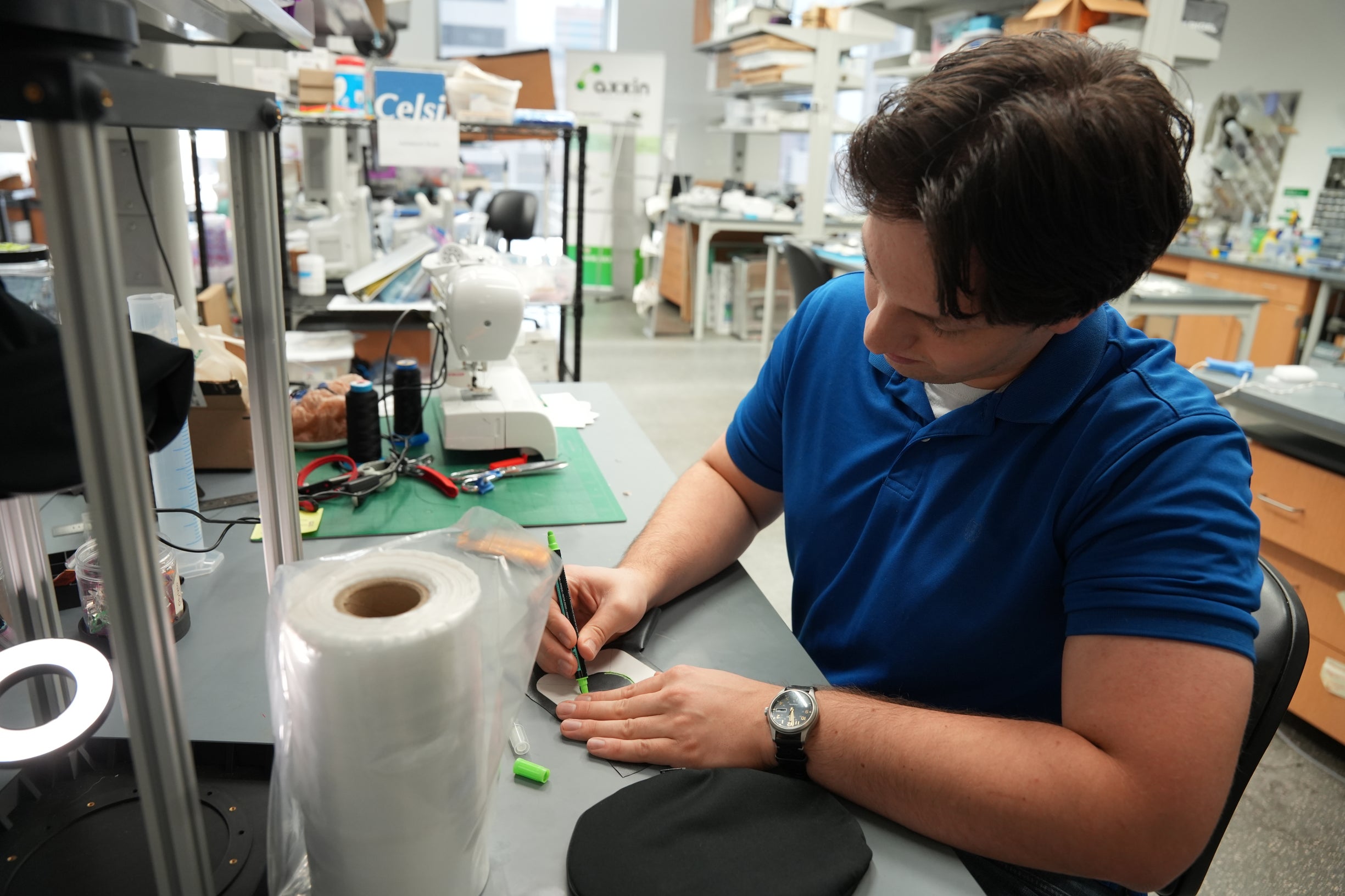
By Ben Balderas (pictured above in the Rice360 lab)
After graduating from the University of Portland with a degree in Mechanical Engineering, Ben was accepted into the Rice360 Global Health Fellowship, where he has been working to advance the development of Colostomates, a low-cost, reusable ostomy bag for underinsured and low-income patients. Below, he shares learnings, progress, and inspiring updates from his fellowship.
Fellowship Project: Colostomates
My time at Rice360 as a Global Health Fellow has been focused on the Colostomates Project, an initiative to develop a low-cost, reusable ostomy bag for underinsured and low-income patients in the United States, specifically in the Greater Houston area.
An ostomy bag is a wearable medical device that collects stool from someone with a stoma, an opening that allows the waste to leave the body through the abdomen. Stomas divert the digestive tract to exit either from the small intestine (ileostomy) or from the large intestine (colostomy). Some characteristics of an ostomy bag include an adhesive to secure the bag to the abdominal skin around the stoma, flexible components to accommodate movement and anatomy, and a sanitary system for collecting and ultimately disposing of waste multiple times a day.
The higher cost of current commercially available ostomy bags stems from the fact that these systems are intended as single-use, disposable medical devices. Depending on the type of ostomy bag, components may need to be changed and disposed of every 3-5 days, daily, or multiple times a day. The cost of ostomy bags and related components, which are essential parts of ostomate healthcare, can add up quickly and become unaffordable for some people who need them. This is a barrier to proper care for these people.
The device being developed by Rice360 will introduce an ostomy bag that primarily uses reusable components, with affordable consumables provided or recommended. The device will be comparable in terms of comfort and secure waste containment to other commercially available devices.
Project Milestones: Device Refinement
When I first arrived on the project, I was provided with the Colostomates designs from previous fellows to ideate on. After examining the successes and challenges of the previous designs, I began by brainstorming and down-selecting a mechanism that would allow a user to easily combine the ostomy bag components to create a waterproof closed system. The biggest challenge for this milestone was choosing a single option after considering multiple ideas that could work and examining the previous work done on the project. After preliminary testing and organizing the results for each option, as a group we determined the best way to proceed with the project, selecting the option that best fit the performance criteria, could be easily prototyped and developed internally without outsourcing, and that I had the skills to refine.
Once down-selected, I refined the design to achieve a novel mechanism that was truly waterproof, which was not easy but was required per the testing standards for ostomy bag systems. This involved isolating the mechanism from other aspects of the ostomy bag system to ensure this plausible leak point remained waterproof. It was a big milestone once I established that the novel mechanism I created successfully demonstrated a waterproof coupling between the device's components.
Once this vital waterproof coupling mechanism was established, I was able to focus on other aspects of the system and achieve device characteristics comparable to commercial products. The first was a flexible wafer that easily contoured to the body and provided a reusable surface for relatively inexpensive adhesive compared to other products on the market. I then focused on down-selecting a medical-grade tape that would provide adhesion between the ostomy bag system and the body. All this culminated in the assembly and testing of the system in the lab. The results were compelling enough to begin usability testing in the near future.
Developing Skills: Project Management and Design
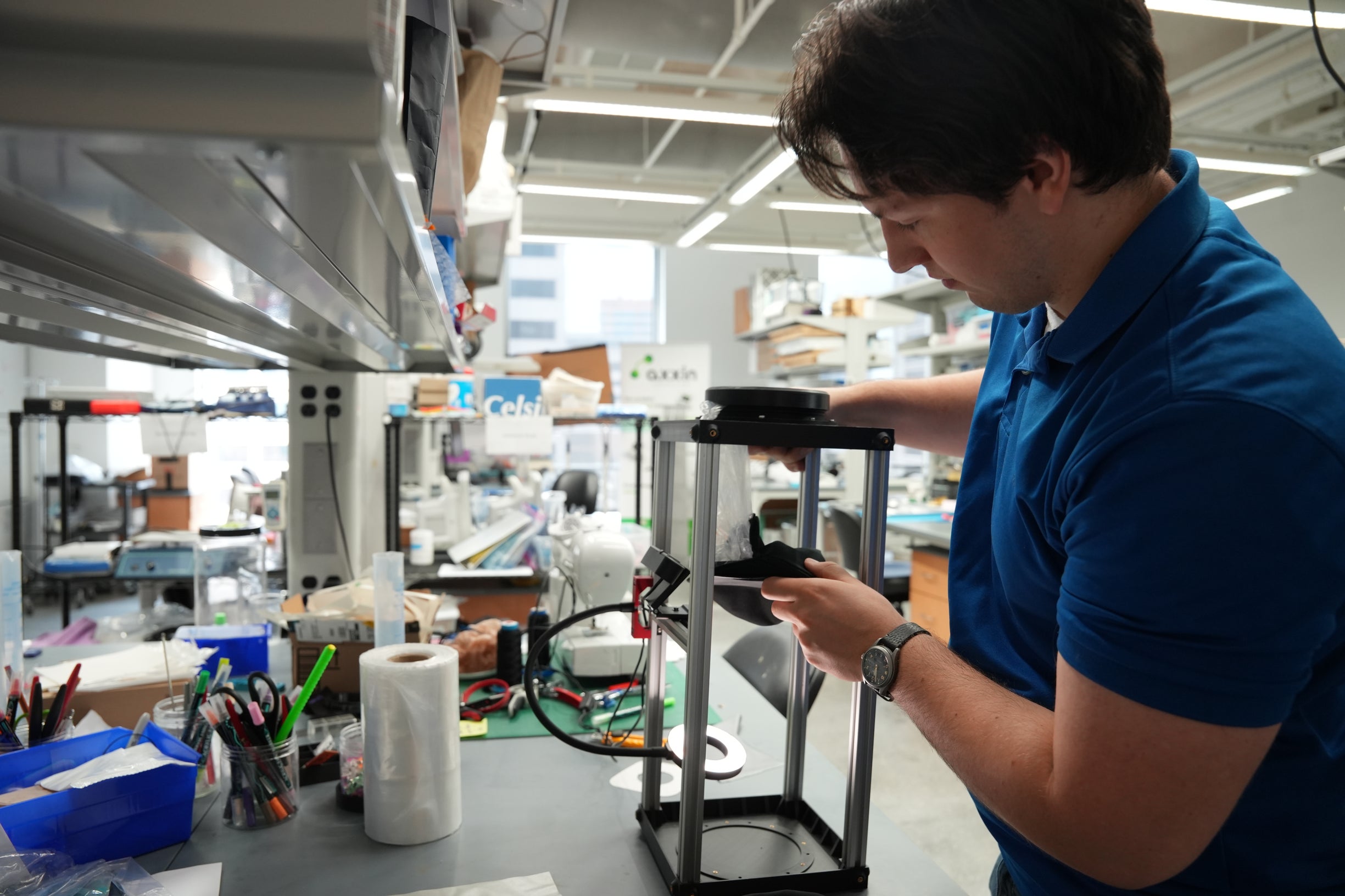
The biggest skill I have acquired is project management. During my fellowship, I had the opportunity to participate in the project plan, perform technical development, present progress updates, and take leadership of aspects of the project. I learned a great deal working closely on these aspects of the projects. For me, during my fellowship, I have been introduced to aspects of project ownership that I had not experienced on other team-based projects. As an early-career engineer, I value this unique experience. Time management and stakeholder communication are the skills I have developed most during my time here.
On the technical side, I have leveraged CAD and 3D printing skills that I developed during my undergraduate projects. In this collaborative fellowship program, the cohort all learn from each other, and this is one area where I was able to make a significant contribution to the group. Using CAD and 3D printing helped me develop visuals and models of the project's technical elements to demonstrate project concepts more effectively with stakeholders.
During my fellowship, I deepened my knowledge of designing for manufacturing and working with design partners. Although 3D printing is great for small-scale concept models, the overall goal is to translate our design into a prototype that is ready for high-volume manufacturing methods, such as injection molding. My fellowship provided me with the opportunity to work with experienced manufacturers and learn about scalability and cost considerations in design. Having the opportunity to have these conversations early in the design process led to fewer changes and fewer roadblocks in the future.
How has the program impacted you personally?
Being a fellow in the Rice360 fellowship program has solidified my desire to work in the medical device field. Rice360 has specifically taught me key lessons about considering sustainability and affordability as essential design considerations when innovating devices intended to reach some of the world's most vulnerable populations. The challenge at Rice360 is to create medical devices that are not only effective but also sustainable and affordable. This aspect of the design criteria has led to my personal growth and approach to engineering.
The fellowship has also highlighted the value of working in a cohort of other early-career engineers. I have been surrounded by hardworking and talented individuals who have encouraged and motivated me throughout my fellowship. The Rice360 fellowship brings together people from diverse backgrounds and career aspirations. Improving patient outcomes, quality of life, and healthcare education has been the common denominator that has brought the entire cohort together, and it has been eye-opening to see the trajectory of both projects and their progress in the healthcare space. People from different backgrounds see and approach engineering problems differently, and it has been so rewarding to absorb their experience into my workflow
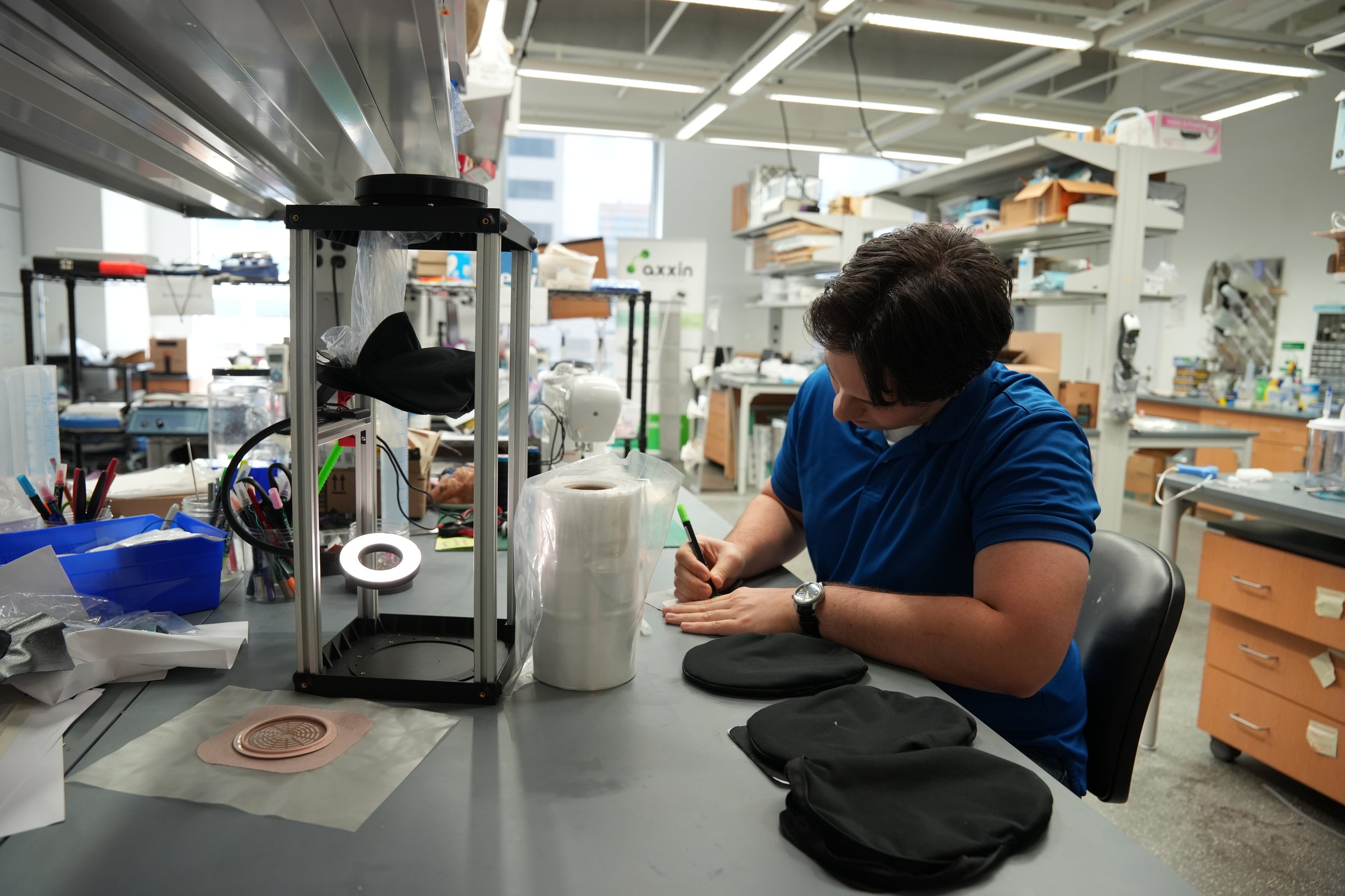
Interested in becoming a Rice360 Global Health Fellow? Apply today!