
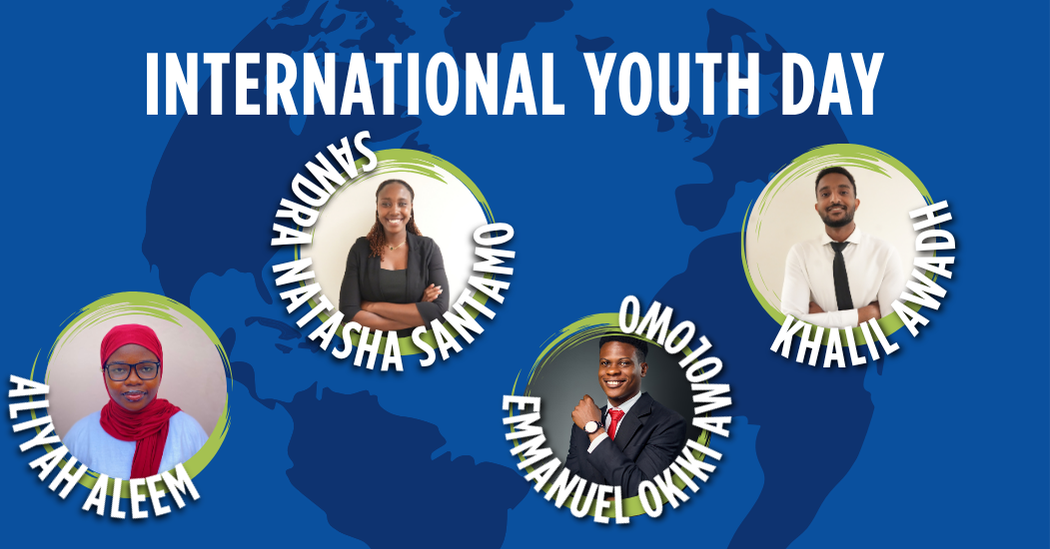
International Youth Day is observed annually on August 12. It raises awareness of challenges and opportunities facing young people worldwide and celebrates their role as essential partners in achieving sustainable development.
This year’s theme acknowledged that while different national and local realities shape young people’s lives, their aspirations are remarkably similar.
This International Youth Day, Rice360 highlights three future leaders of global innovation.
We spoke with four students from Africa who were sponsored by Chevron and generous individual donors to travel abroad and have hands-on learning experiences led by the Rice360 Institute for Global Health Technologies summer programs. Specifically, we interviewed two students from Kenya who traveled to Houston, TX to participate in the Rice360 Summer Experience in Engineering Design (SEED) internship, as well as two students from Nigeria who traveled to Kenya to participate in the International Summer Experience in Engineering Design (iSEED) program. They shared insights into the experiences they gained while collaboratively engineering solutions to global challenges. At Rice University and Kenyatta University, SEED and iSEED interns dedicated their summers to designing impactful engineering solutions that address client needs and strive for a better tomorrow
__
Aliyah Aleem
University of Lagos
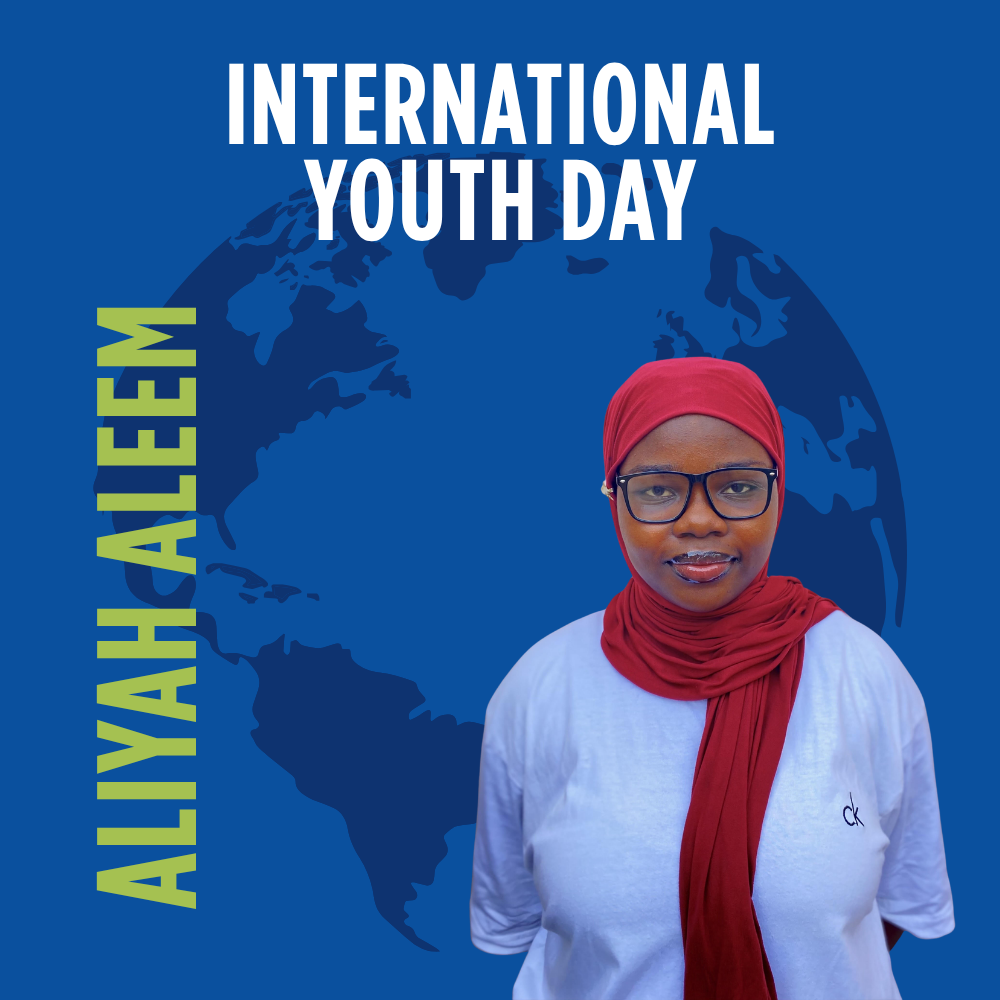
Aliyah Aleem is a third-year Economics student at the University of Lagos. She has explored finance through hands-on leadership and applied research roles, including equity research and case competition work that sharpened her analytical and evaluative skills across African capital markets. Her fieldwork includes clinical research in Kenya through iSEED to competition-based strategy work, giving her a broad, cross-disciplinary foundation. Notably, she led her team to a Top 5 finish among 114 global teams and 1st in Africa at the Boston University Questrom Susilo Business+Ethics Case Competition. Aliyah has a strong creative side, expressed through video editing and content creation.
My name is Aliya Aleem, and I am from Ogun State, Nigeria. I am currently studying economics at the University of Lagos, where I focus on innovation and anything related to creative solutions to problems.
Please describe the problem you are working to address this summer and how your innovation addresses it.
In neonatal intensive care units (NICUs) across Kenya, nurses have heavy workloads. Their time in the NICU often involves monitoring multiple infants simultaneously. In this setting, multiple incubators generate their own isolated alarms, with no centralized view of which baby needs attention.
While conducting research at a Level Five Hospital in Nairobi, Kenya, we noticed that nurses had to check multiple locations to locate the source of an alarm and care for an infant in need. During their shifts, nurses would hear so many alarms that alarm fatigue would set in. Seeing a nurse at a Level 5 Hospital triage across multiple beds without a centralized alarm monitoring system inspired my team’s innovation.
My team and I worked this summer to build JasFlow, a centralized neonatal alarm intelligence system that clips onto existing incubator infrastructure to help nurses identify and prioritize alarms across multiple devices. JasFlow captures audio and visual alarm signals from every incubator, classifies them by urgency in real time, and displays a summary on a single prioritized dashboard. Nurses have a single place to review information from multiple alarms, which helps them prioritize and ensures the right nurse reaches the baby with the most urgent need faster.
What parts of this experience make you want to keep innovating or designing?
I’m an economics student, so before my internship I hadn’t done anything directly related to engineering or engineering design. I have always been passionate about solving problems, which led me to apply for the iSEED program. This was my first visit to a low-resource hospital, and it helped me understand that medical solutions I was familiar with may not be suitable or accessible in other settings. I appreciated the opportunity to design and build a device to improve care in a setting that presents distinct challenges. I think the experiences changed me. They made me realize that device design is something I can do that uses my creativity to make a positive impact on others’ lives.
__
Sandra Natasha Santamo
Kenyatta University
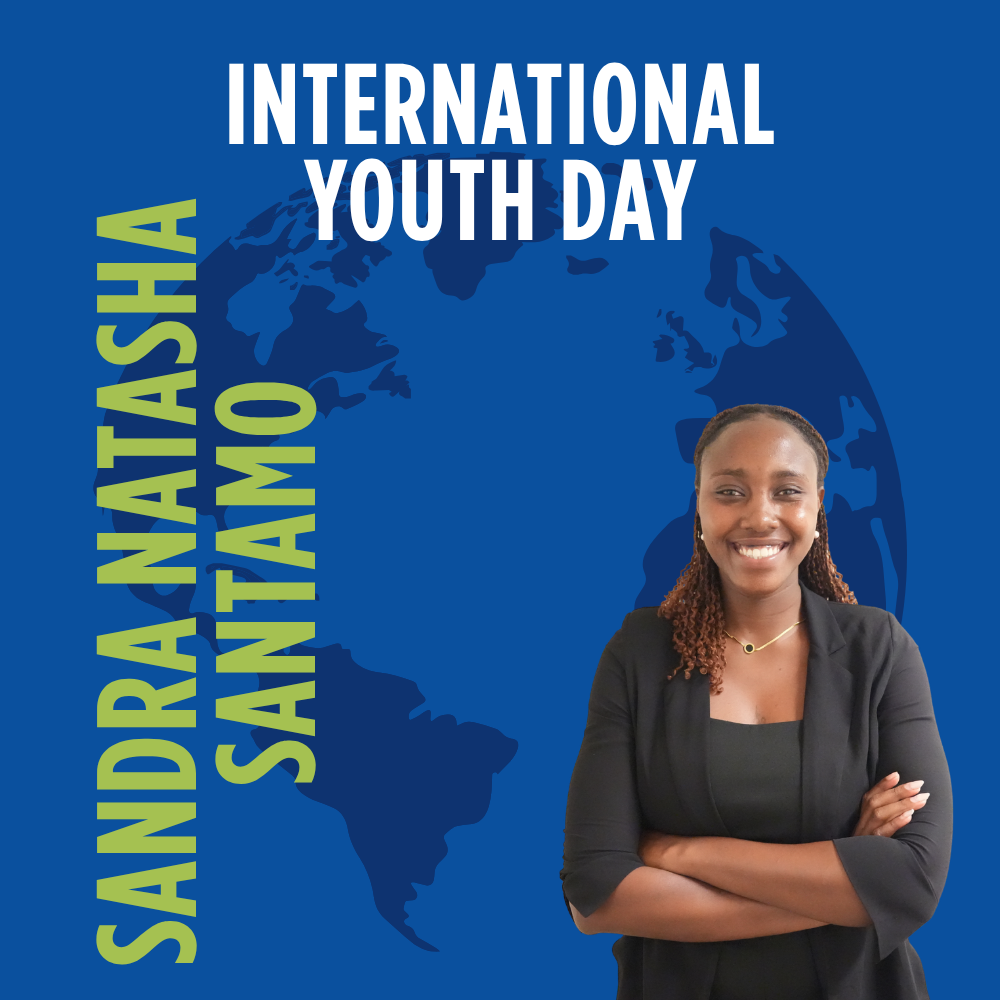
Sandra Natasha Santamo recently graduated with a degree in Biomedical Engineering from Kenyatta University. She is passionate about medical device innovation and engineering design. She is skilled in designing, programming, embedded systems, website and app development, graphic design, and prototyping. She has previously interned at Kenyatta University Teaching Research and Referral Hospital and The Nairobi Hospital, where she gained hands-on experience working on, repairing, and performing preventive maintenance on a variety of hospital machines. She is eager to apply her knowledge and expertise to contribute to innovative healthcare solutions and make a difference in global health.
My name is Sandra Natasha Santamo, and I am from Kiserian, Kenya. I recently graduated from Kenyatta University and have traveled to Rice University this summer to participate in the SEED internship.
Please describe the problem you are working to address this summer and how your innovation addresses it.
One of the projects I'm working on is a Retinopathy of Prematurity (ROP) screening device. ROP is a preventable disease that causes childhood blindness. My team designed a device to screen for ROP, helping health care workers detect the disease early, when it can still be treated, and prevent childhood blindness.
The device directs light from a source through a bundle of optical fibers and a 28D lens to gently illuminate the back of the eye. A lens then magnifies the retinal image, and a compact 20-degree FOV camera captures the image. A simple app provides clinicians with access to images so they can view, save, and review each scan at the point of care. An ophthalmologist can view the images, analyze them, and identify patients requiring treatment due to signs of ROP. The goal is to make ROP screening more accessible and to avoid treatment delays in settings where expensive imaging devices simply are not available.
What Parts of this Experience make you want to keep innovating or designing?
Much of this process has inspired me to keep innovating, but I found it especially rewarding to develop real-world solutions to current healthcare problems. That experience has been amazing and has made me want to keep innovating to improve healthcare. The SEED internship has been deeply fulfilling because, as a biomedical engineer, I seek to design devices to bridge healthcare gaps and having that experience has been nothing short of amazing.
__
Khalil Awadh
Kenyatta University
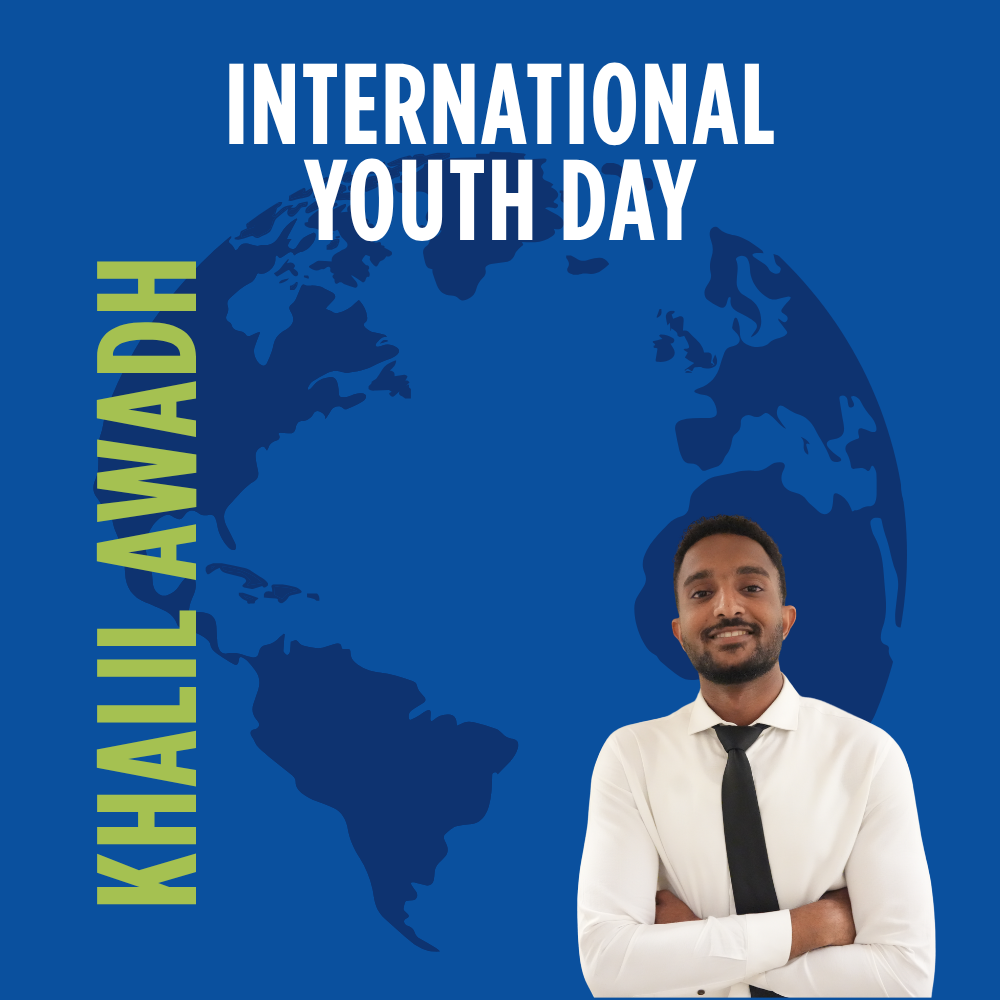
Khalil is a recent Biomedical Engineering graduate from Kenyatta University in Nairobi, Kenya, with a passion for developing affordable, user-centered medical technologies that improve healthcare in low-resource settings. Throughout his academic journey, he developed experience in medical equipment maintenance, healthcare technology design, and biomedical innovation through clinical attachments, industry experience, and engineering design projects. At Kenyatta University, he served as the Hardware Cohort Lead at the Pivot Club. He worked closely with biomedical laboratory technicians at the university to train first- and second-year students on hospital equipment and biomedical machinery, helping build practical skills among upcoming engineers.
My name is Khalil Awadh, and I am from Nairobi, Kenya. I am a recent Biomedical Engineering graduate from Kenyatta University with a passion for designing affordable healthcare technologies that improve access to quality care, particularly in low-resource settings.
Please describe the problem you are working to address this summer and how your innovation addresses it.
I worked on two projects this summer. One of them was designed specifically for my home country, Kenya.
In Kenya, Community Health Promoters (CHPs) travel to underserved communities, screen patients, and refer them to hospitals for further care when necessary. CHPs often face challenges because they must carry multiple pieces of equipment, such as glucometers and blood pressure monitors, to evaluate patients. If they are unable to transport these devices, they must rely on questionnaires alone, which provide less objective information for making referrals. In addition, many diagnostic tests used to evaluate patients have the inherent limitation that they require laboratory facilities to read the results. And laboratories are inaccessible to many communities and the CHPs who serve them.
Our solution aims to reduce the amount of equipment CHPs need to carry by developing an affordable, all-in-one point-of-care screening device for use in communities like our focus site, Kibera, Kenya.
As a second project, I developed an assistive laboratory workstation for researchers with mobility limitations. The workstation is designed for wheelchair users and individuals who cannot stand for extended periods. The workstation serves as an extension of the current lab benches, improving workflow in their immediate reach zones, while reducing the need to stretch beyond easy reach. We designed the solution specifically for use in the microbiology wet lab at Rice University.
What parts of this Experience make you want to keep innovating or designing?
During my time as a SEED intern at Rice University, I learned just how important the engineering design process is. One of the biggest lessons I learned is that before designing a solution, you must first invest time in understanding the problem. More than half of the design process can be spent researching the challenge, understanding users' needs, and identifying the real root causes.
At first, this stage can seem slow or less exciting than building prototypes, but I came to appreciate its value. The insights gained during research make the design phase much more effective and help create solutions that truly address users' needs.
__
Emmanuel Okiki Awolo
University of Lagos, Nigeria
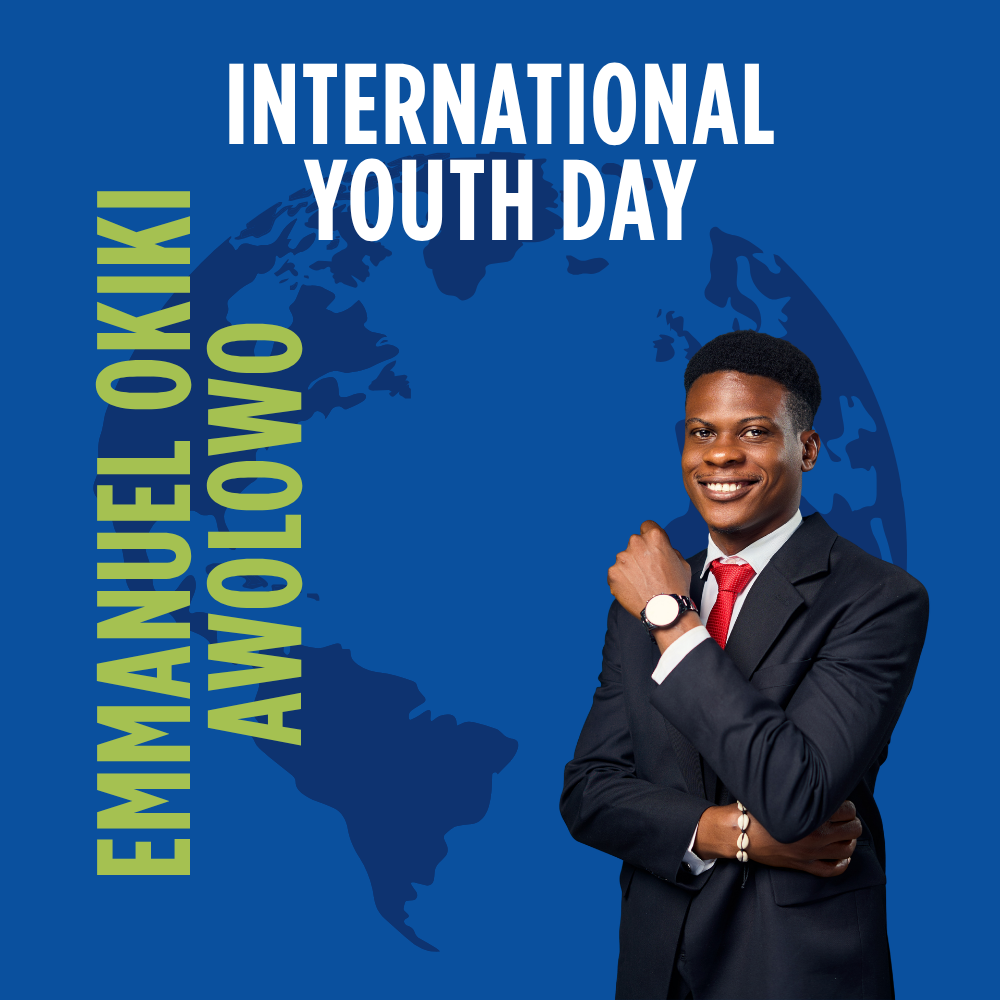
Emmanuel Okiki Awolowo is a fourth-year Electrical and Electronics Engineering student at the University of Lagos, Nigeria, where he designs health technologies for low-resource clinical settings. He co-developed the AM Detector, a diagnostic for amniotic fluid leakage (PROM). It reached the finals of the Rice360 Global Health Design Competition and won the People's Choice Award, leading to his selection for Rice University's iSEED program in Nairobi. He also built NutriGuide, a nutrition assessment tool for children ages 0 to 5. Alongside his engineering work, Emmanuel serves as Vice President of the Society of Electrical, Electronics and Computer Engineering Students (SEES) and the UNILAG Energy Club, is Campus Director for the Millennium Fellowship, and is a WAPCo Scholar and NHEF Scholar.
My name is Emmanuel Okiki Awolowo, and I am a fourth-year Electrical and Electronics Engineering student at the University of Lagos, Nigeria.
What problem did you work to address with your innovation during your iSEED internship? What inspired or motivated you to create this solution?
In Nairobi’s labor wards, staff often rely on a wooden Pinard fetoscope to detect a fetal heartbeat because cardiotocography machines and electronic Dopplers are not always available. While conducting research this summer, I watched a student nurse at a Hospital hesitate over whether she could hear a heartbeat at all. That hesitation is what drove my team and me to design VEDAMOYO, a detachable electronic cap that clips onto the same Pinard fetoscope already in a clinician’s hand, so the next nurse in that position does not have to hesitate at all.
VEDAMOYO is a detachable electronic cap for a standard Pinard fetoscope, designed to address unreliable fetal heart rate detection during the second stage of labor in low-resource Kenyan clinics. It detects heartbeat vibrations through the Pinard, calculates beats per minute, and flags bradycardia or tachycardia without permanently modifying the fetoscope it clips onto. Our prototype was developed after weeks of research and observation of clinicians.
Who helped you turn an idea into something bigger?
My teammates, Divine Omoefe and Vikrant Hajarnavis, are the reason this became more than a personal fixation. They pushed back when an idea sounded good but had not been tested against what we saw in the field, and they conducted the clinical research and user interviews that kept the project honest while I focused on the electronics. Dr. Deirdre Hunter did the harder job of holding us to a standard when we wanted to move faster than the problem was ready for. I am very grateful for this team's work.
Interested in supporting the 2027 cohort of international students? Make your gift today.